The Sagra della Bistecca — Cortona’s Annual Fire Festival
There are food festivals in Italy that exist for tourists. They are well-organized, photogenic, and serve a version of local food that has been adjusted for the expectations of an international audience. They are fine. They are not what I am describing.
The Sagra della Bistecca in Cortona is something different.
It is a festival that exists for the people of Cortona. It has existed for them, in roughly this form, for decades. The tourists who attend it — and they do attend, in increasing numbers as the event becomes better known — are welcome, genuinely so, in the way that Italian hospitality is always genuine. But they are guests at something that is not designed for them. And that distinction makes all the difference.
What Is the Sagra della Bistecca?
A sagra is an Italian food festival — a celebration organized around a specific local product, typically with deep roots in the agricultural and cultural life of the community holding it. Italy has thousands of them, dedicated to everything from truffles to chestnuts to specific varieties of pasta.
The Sagra della Bistecca — literally, the Festival of the Steak — is dedicated to a single cut of meat: the bistecca alla Fiorentina, the T-bone steak that is one of the defining dishes of Tuscan culinary culture.
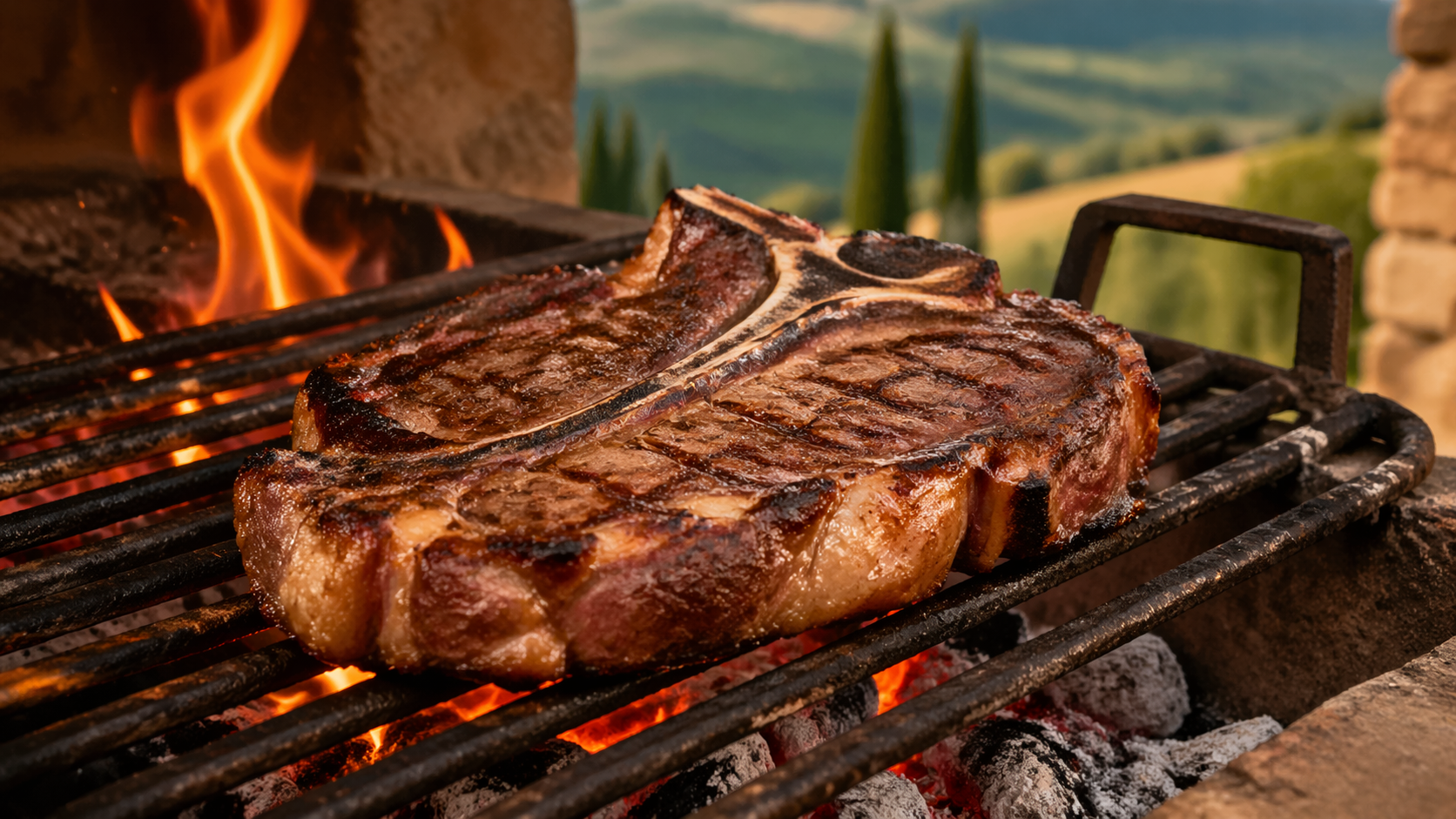
The bistecca alla Fiorentina is not a generic steak. It is a specific thing: a T-bone cut from Chianina cattle — the ancient white cattle breed that has been raised in the Val di Chiana, the valley below Cortona, since before the Roman period — grilled rare over charcoal or wood fire, served with nothing except good olive oil, coarse salt, and the understanding that some things do not benefit from elaboration.
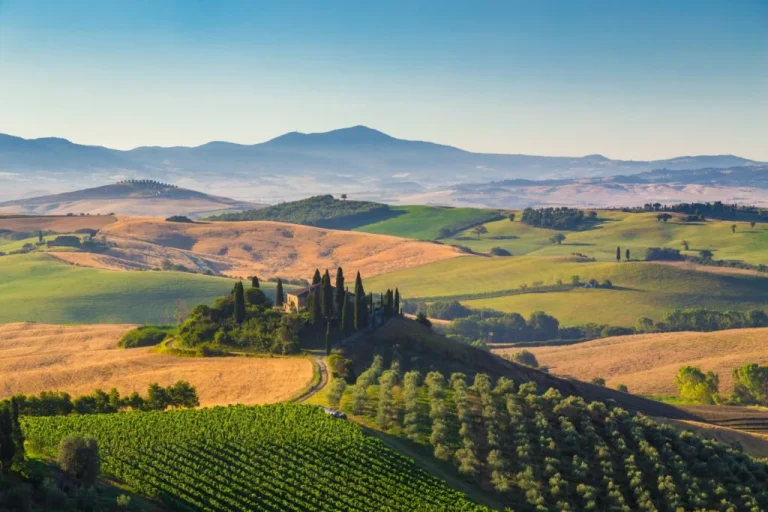
The Chianina breed is one of the oldest cattle breeds in the world. Roman writers documented it. Renaissance painters included it in pastoral landscapes. It is native to this specific valley — the Val di Chiana — and the connection between the cattle, the land, and the community that has lived alongside both for millennia is exactly the kind of deep agricultural rootedness that makes a food festival like this meaningful rather than merely entertaining.
The Festival — What Actually Happens
The Sagra della Bistecca takes place annually in Cortona, typically during the third week of August — the height of the Tuscan summer and the traditional period of community celebration before the harvest begins.
The festival runs for several evenings. The format is essentially constant across those evenings, varying only in the specific music or entertainment accompanying the main event.
The fires: Large open fires — proper fires, not gas grills, not controlled-heat commercial equipment — are built in the festival area. The smell of woodsmoke and charcoal begins to reach the town in the late afternoon, well before the festival opens, functioning as an announcement and an invitation simultaneously.
The grilling is done by experienced hands. Bistecca alla Fiorentina is not technically complex — high heat, short time, rare — but it requires confidence and judgment. The steaks are large, the fire is hot, and the margin between correctly cooked and overcooked is narrow. The people doing the grilling have been doing it for years. They know the fire.
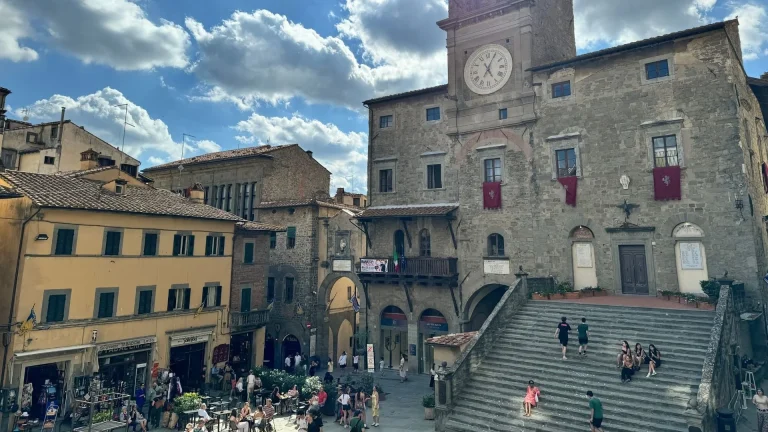
The communal tables: The eating happens at long communal outdoor tables. You sit where there is space. The person next to you may be a resident of Cortona whose family has been attending this festival for three generations, or a tourist from Oklahoma who found the event on a travel blog two weeks ago. It does not matter. The communal table is an equalizer — you are all here for the same reason, eating the same thing, in the same firelight.
The wine: Wine is poured from unlabeled carafes — local wine, the kind that does not need a label because the people pouring it know exactly where it came from and the people drinking it are not there to read labels. It is poured generously. The price is modest. The combination of fire-cooked meat, wood-smoke air, and honest local wine produces an effect that is more than the sum of its parts.
The music: Music appears at some point in the evening — sometimes organized, sometimes spontaneous, always eventually loud enough that dancing becomes a reasonable option. Nobody organized the dancing. It simply happens, as it tends to happen when there is fire and food and wine and a community that has been celebrating in the same place for decades.
The Chianina Cattle — Why They Matter
The Chianina breed deserves more than a passing mention because the quality of the bistecca depends entirely on the quality of the animal, and the quality of the Chianina is exceptional.
The breed is one of the largest in the world — adult bulls can reach 1,700 kilograms — and one of the oldest. Its association with the Val di Chiana goes back at least two thousand years and possibly considerably further. The cattle are adapted to the specific conditions of the valley — the climate, the grazing, the agricultural system — in ways that millennia of co-evolution produce.
The meat from a well-raised Chianina animal has specific qualities: a delicate flavor that does not require heavy seasoning or complex preparation, a tenderness that comes from the breed’s particular muscle structure, and a marbling pattern that produces juiciness without the heaviness of more heavily marbled breeds.
The bistecca alla Fiorentina at its best — from a properly raised Chianina animal, properly aged, properly cooked over proper fire — is one of the great simple pleasures of Italian food culture. Simple in preparation, complex in flavor, deeply rooted in the specific landscape that produced the animal.
At the Sagra della Bistecca in Cortona, you are eating this meat in the valley where the cattle were raised, cooked by people from the community that has been raising and eating these cattle for generations. The provenance could not be more complete.
Practical Information
When: Third week of August, typically Thursday through Sunday evenings. Check locally for the specific dates of each year’s event — the exact timing varies slightly.
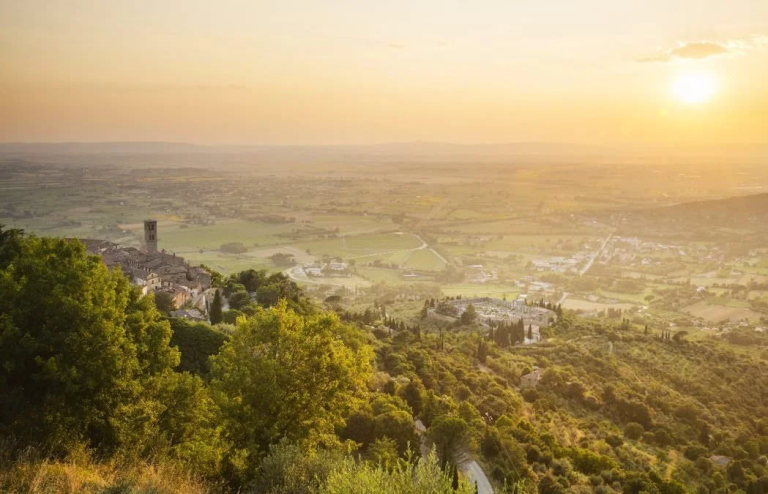
Where: The festival takes place in the lower part of Cortona, in the area below the historic center. It is well-signposted during the festival period and easy to find by following the smell of woodsmoke and the sound of people.
Booking: No advance booking required for general attendance. Arrive reasonably early — by 7:30 or 8pm — for the best choice of seating. Later arrivals still find space but the atmosphere builds from early in the evening.
Price: Extremely reasonable by any standard. A full bistecca with wine, bread, and side dishes costs a fraction of what the same quality of meat would cost in a restaurant. This is a community festival, not a commercial event.
Dress: Casual. Outdoor. The smoke from the fires will find your clothes regardless of what you wear.
Language: Italian is the operating language of the festival. This is not a problem. The universal language of fire and meat and wine requires very little translation.
The Sagra as a Window into Cortona
Every town reveals itself differently to different kinds of visitors. The Sagra della Bistecca reveals Cortona in the way that community celebrations always reveal communities — as itself, unguarded, doing something it genuinely loves for reasons that have nothing to do with being observed.
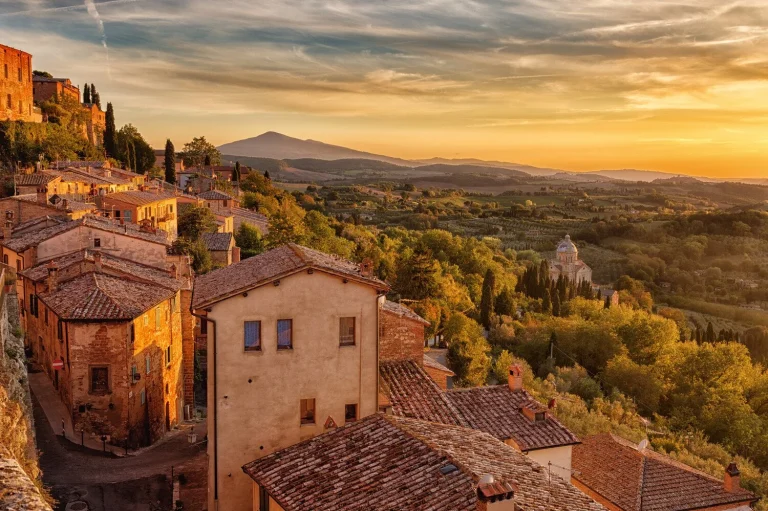
The history of the town, the agricultural heritage of the valley, the social fabric of the community, the specific quality of Tuscan hospitality — all of these are visible in the Sagra in a way that no museum or guided tour can replicate. You are not looking at Cortona. You are briefly inside it.
This is increasingly rare in Italian tourism. Most of the famous events and festivals in the major tourist destinations have been modified, consciously or not, by decades of tourist attendance. The Sagra della Bistecca in Cortona has not. It remains, essentially, what it has always been: a town gathering around fire and meat and wine, for no more complicated reason than that this is what this community does in August, and has done for as long as anyone can remember.
Plan Your Visit with MyTuscanDays
If you are planning a trip to Tuscany in August and want to time it to include the Sagra della Bistecca — or if you want to understand the broader context of Cortona and the Val di Chiana before attending — MyTuscanDays can help.
We can build a day in Cortona around the festival — including the Etruscan walls, the upper neighborhoods, an olive oil tasting with a local producer, and the evening at the Sagra — that gives you the full depth of what this town and this valley offer.
Every experience is private, personal, and guided by someone who actually lives here and has been to the Sagra more times than he can count.
📍 Cortona, Tuscany, Italy 👉 Explore Experiences 👉 Reserve Your Day 📩 [email protected]