How to Find the Best Olive Oil in Tuscany — A Local’s Guide
Let me tell you what real Tuscan olive oil tastes like — because it is possible you have never had it.
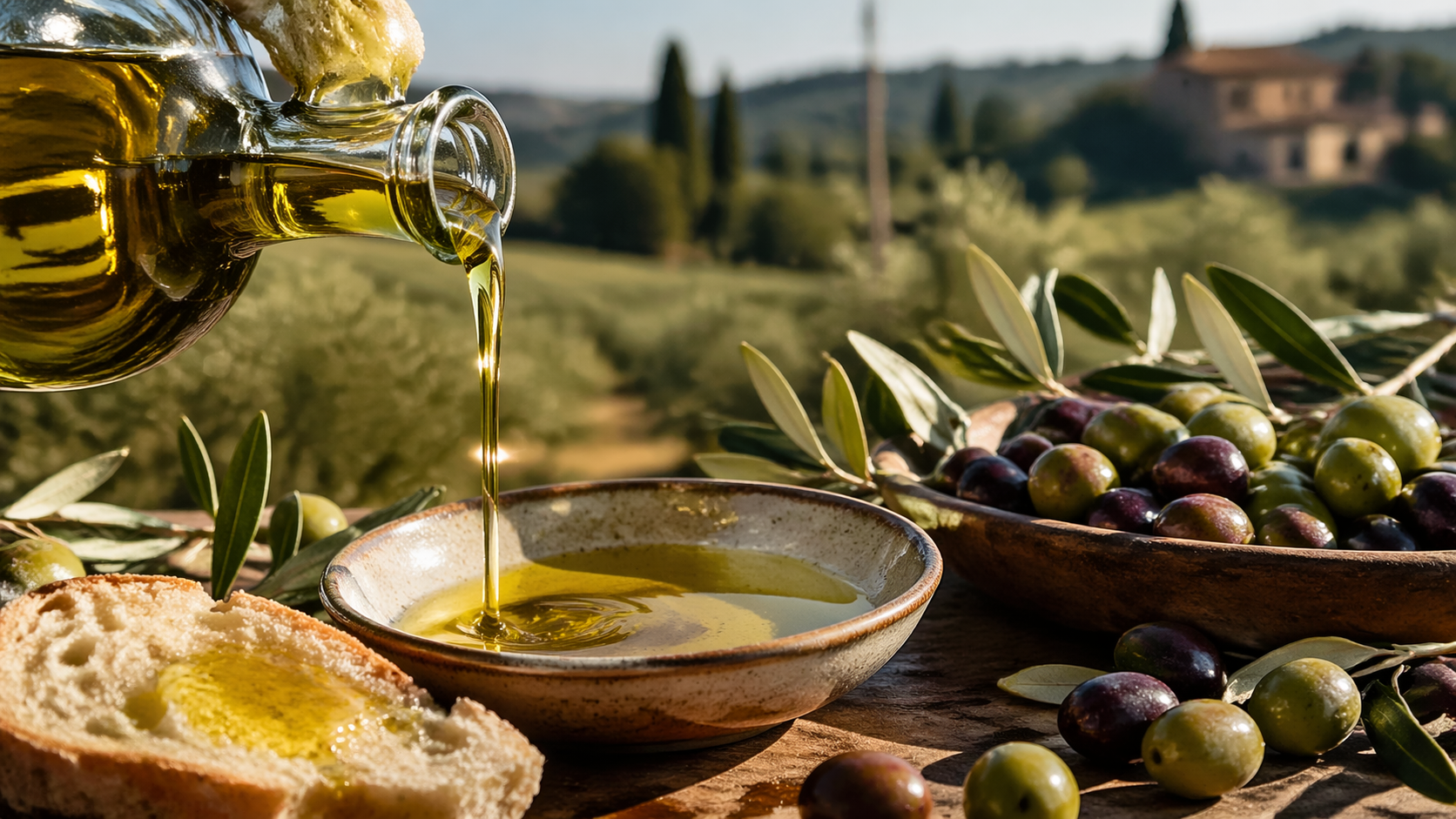
It is green. Not the pale yellow of supermarket olive oil, even expensive supermarket olive oil — genuinely, deeply green, the color of something recently alive. It smells grassy and peppery before you have even tasted it. When you pour it on a piece of unsalted Tuscan bread and take a bite, there is a catch at the back of your throat. A slight burn, immediate and clean. That burn is the polyphenols — the compounds responsible for most of olive oil’s health properties — and it is present only in oil that is genuinely fresh, genuinely high quality, and genuinely uncompromised by the time, heat, and light exposure that degrade every bottle between pressing and consumption.
The oil in your supermarket — even the expensive Italian one, even the one with a Tuscan farm on the label — is not this. By the time it has been bottled, shipped, distributed, shelved, and purchased, something has left it. The green has faded to yellow. The burn has softened to nothing. The complexity has flattened.
The oil from a farmer who pressed it three weeks ago from olives grown on a specific hillside in the Val di Chiana or the Chianti — that is something else entirely. That is the oil that ruins all other olive oil for you, permanently and irreversibly, from the first taste.
Here is how to find it.
Why Most People Never Find the Real Thing
The challenge with finding genuine artisan olive oil in Tuscany is not that it is rare. It is that it is invisible to conventional tourism infrastructure.
The best oil is not in the tourist shops on the main streets of hilltop towns. It is not in the supermarkets. It is not, primarily, in the restaurants — though the best restaurants use it.
It is at the farm. It is in the cantina of the producer who makes a few hundred liters a year from olives harvested by hand from trees that have been in the family for generations. It is in bottles with handwritten labels or no labels at all, sitting on a shelf next to the tools used to harvest the olives and the equipment used to press them.
Getting to this oil requires either knowing someone who knows the producer, or being taken there by someone who does.
This is one of the things that a genuine local experience — as opposed to a tourist itinerary — makes possible. The oil that changes your reference point forever is not findable from a guidebook. It is findable through relationships.
What to Look For — Markers of Quality Olive Oil in Tuscany
If you are navigating independently, there are specific markers that distinguish genuine artisan Tuscan olive oil from everything else.
Color: Fresh, high-quality olive oil is green — sometimes intensely so, sometimes a more muted green-gold, depending on the olive variety and the timing of the harvest. Pale yellow oil has either been refined, oxidized, or made from olives harvested too late in the season.
The harvest date: Look for the harvest year on the label, not just the bottling date. Olive oil is not like wine — it does not improve with age. Freshness is everything. Oil from the most recent harvest is always preferable to oil from a previous year, regardless of how it has been stored.
The olive variety: Tuscany has several indigenous olive varieties — Frantoio, Moraiolo, Leccino, and others — each producing oil with distinct characteristics. Single-variety oils allow you to taste these differences. Blends can be extraordinary but tell you less about the specific terroir.
The pressing method: Cold-pressed oil — extracted without heat — retains more of the flavor compounds and health properties that make olive oil valuable. All quality Tuscan artisan oil is cold-pressed. If it does not say cold-pressed, ask.
The burn: The polyphenol burn at the back of the throat is the most reliable real-time indicator of quality and freshness. No burn means low polyphenols, which means either low-quality olives, late harvest, or oil that has been sitting too long. A good burn is a feature, not a flaw.
The Harvest Season
Olive oil in Tuscany is pressed in November — occasionally late October for early-harvest oil, occasionally into December for producers who prefer a riper olive profile.
The period immediately after pressing — November through January — is when the oil is at its most extraordinary. The green is deepest, the polyphenols are highest, the flavor is most complex and alive.
If you are visiting Tuscany during harvest season, the opportunity to taste oil that was pressed within days or weeks of your visit is one of the most remarkable food experiences available anywhere in Italy. Many producers will sell directly from the frantoio — the olive press — to visitors who ask.
If you are visiting outside harvest season, the oil from the most recent harvest is still the right choice. Fresh oil from a good producer is always better than older oil from a great producer.
The Val di Chiana and Chianti Producers
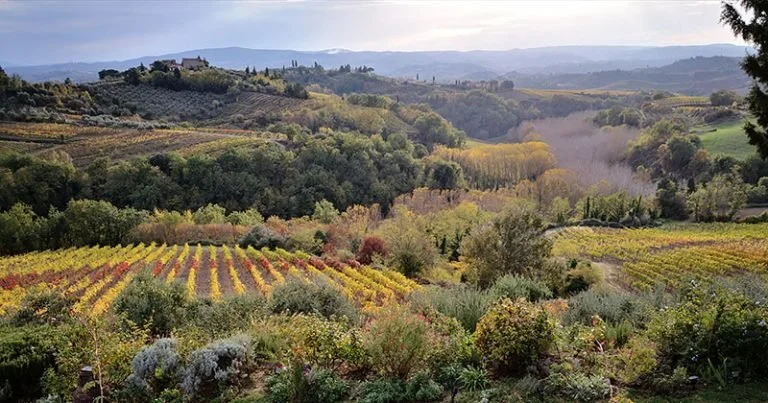
The two primary olive-producing areas relevant to Cortona are the Val di Chiana — the agricultural valley below the town — and the Chianti hills to the northwest.
The Val di Chiana produces oil with a characteristic flavor profile — grassy, slightly bitter, with a clean finish and a moderate burn. The flat valley floor and the gentler slopes above it produce olives that tend toward a balanced, versatile oil suited to everyday cooking as well as to the kind of tasting that reveals complexity.
The Chianti hills produce oil with a different character — typically more intensely peppery, with greater bitterness and a more assertive finish. Chianti olive oil is made in the shadow of one of the most famous wine regions in Italy, which means it is sometimes overlooked in favor of the region’s Sangiovese. This is a mistake. Chianti olive oil at its best is among the finest in Tuscany.
Both regions produce oil that is genuinely specific to their terroir — oil that tastes of the particular combination of soil, climate, and olive variety that produced it. This specificity is what distinguishes artisan Tuscan oil from the blended, standardized product that fills most supermarket shelves.
How to Taste Olive Oil Properly
Tasting olive oil properly is not complicated, but it is different from tasting wine and the difference is worth understanding.
Temperature: Olive oil should be tasted at approximately body temperature — slightly warmer than room temperature. Cup the tasting glass in both hands for a minute before tasting to warm the oil slightly. This releases the volatile aromatic compounds that carry most of the flavor.
Smell first: Before tasting, smell the oil. Fresh, high-quality Tuscan oil smells grassy, green, sometimes of freshly cut grass or green tomato or artichoke. Off notes — rancidity, mustiness, a flat or greasy smell — indicate poor quality or age.
Taste with air: Take a small amount of oil into your mouth and draw air through it — a technique called strippaggio that distributes the oil across all the taste receptors and releases the volatile compounds. It makes a noise. This is correct.
Notice the progression: Quality olive oil reveals itself in stages. The initial flavor — grassy, fruity, complex. The middle — where bitterness or sweetness develop. The finish — where the polyphenol burn arrives, at the back of the throat, seconds after you have swallowed.
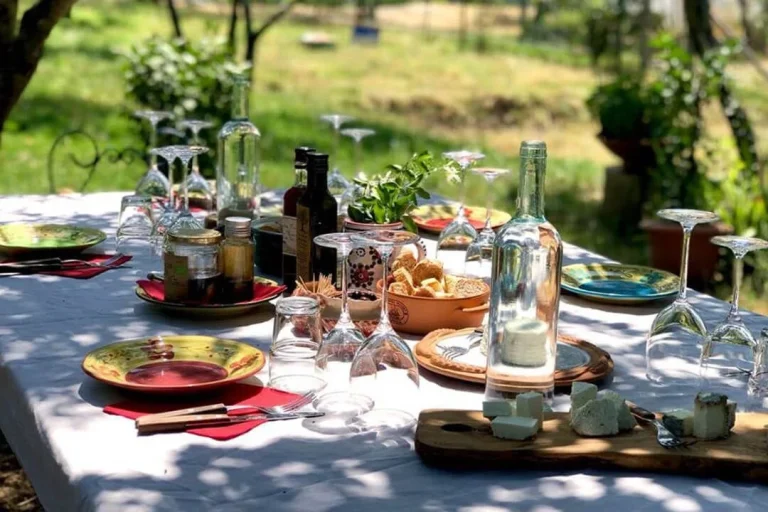
Bread is optional: Unsalted Tuscan bread is a traditional vehicle for olive oil tasting, but tasting the oil alone, without any vehicle, gives a clearer picture of its character.
The MyTuscanDays Olive Oil Experience
At MyTuscanDays, olive oil is not an add-on. It is a central thread running through how we understand this landscape.
The oil we give every guest as a welcome gift — MyTuscanDays SELECT — is sourced from a specific producer in the Val d’Elsa, chosen because it represents exactly the quality described above: genuinely fresh, genuinely artisan, genuinely specific to the Tuscan landscape it comes from.
Our private olive oil tasting experiences go further — taking guests to producers in the Val di Chiana and the Chianti hills, tasting oil from different varieties and different harvests, understanding the differences between terroirs, and leaving with both the knowledge and the specific bottles that represent what they have learned.
This is not a tour. It is an education in one of the most extraordinary food products in the world, delivered by people who live inside the culture that produces it.
📍 Cortona, Tuscany, Italy 👉 Explore Experiences 👉 Reserve Your Day 📩 [email protected]