When Are You Coming? — A Letter to Tuscany Dreamers
I want to ask you something directly.
You have been thinking about Tuscany for a while. Maybe since you read the book — Frances Mayes writing about buying a house on a hillside above Cortona and discovering that life could be organized around beauty and olive oil and the specific quality of an afternoon in a place that has been living well for three thousand years. Maybe since you saw the film. Maybe since a friend came back from a trip and could not quite explain what had happened to them but clearly something had.
You have the photos saved. The screenshots from Instagram accounts that post the cypress-lined roads and the stone farmhouses and the light at golden hour over the Val d’Orcia. The Pinterest board — if you are honest about it — that has been accumulating images of Tuscan kitchens and hilltop towns and tables set for outdoor lunches that you have never eaten.
You have said “someday we should do Tuscany properly” more times than you can count. At dinner parties. To your partner. To yourself, scrolling through someone else’s travel photographs at 11pm when the day is finally finished.
I live in Cortona. I have been living here since 2023, building a life and several businesses in the center of one of the oldest Etruscan cities in the world. And from here, I want to ask you the one question that remains.
When are you actually coming?
What Is Waiting for You
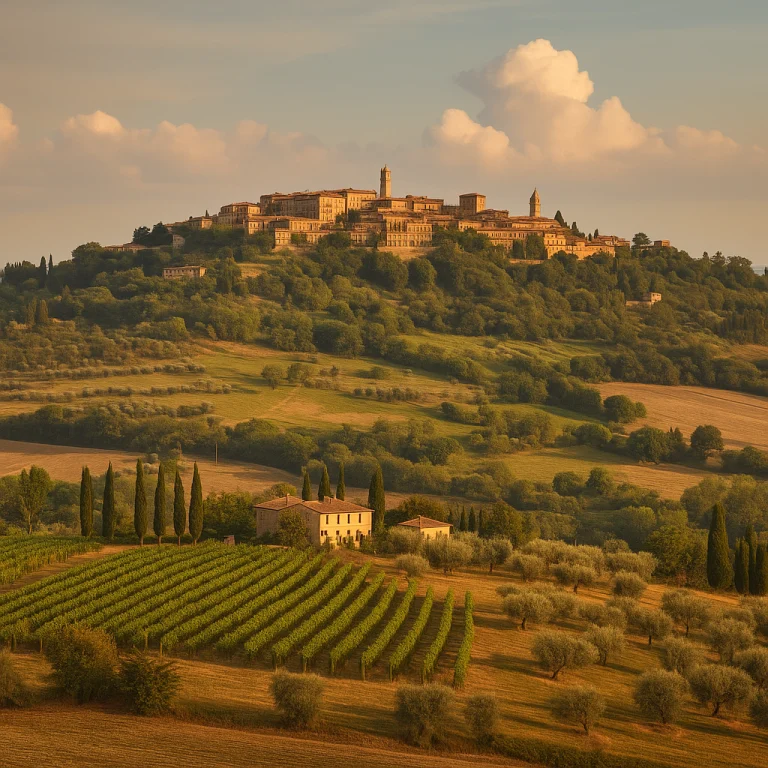
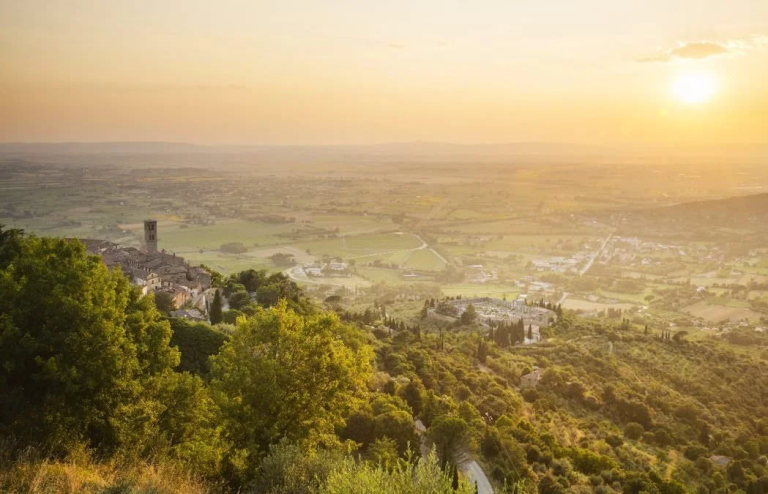
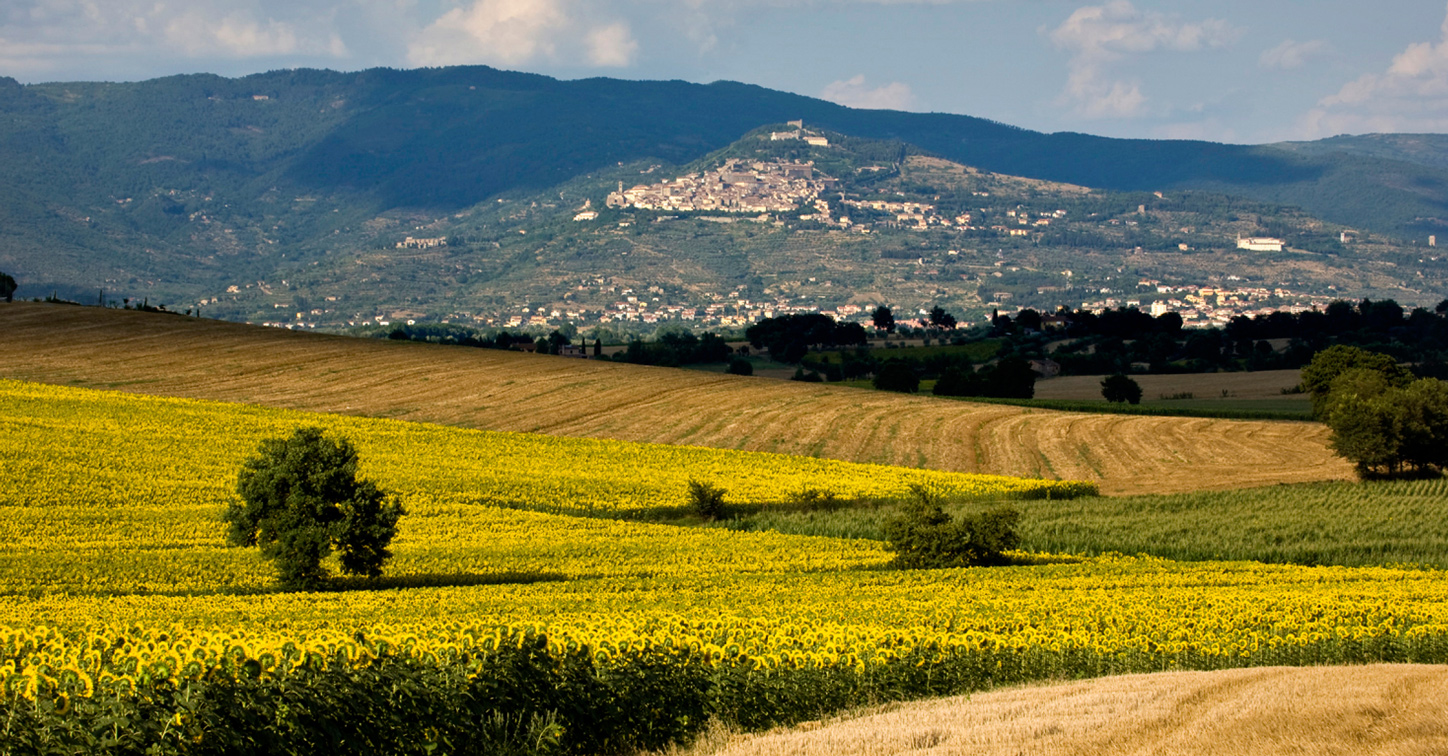
The hills are still here. The Val di Chiana below Cortona still spreads out to the valley floor in the morning mist, the cypress trees just visible above it, the light arriving from the east and doing what it does to the stone of this hilltop town.
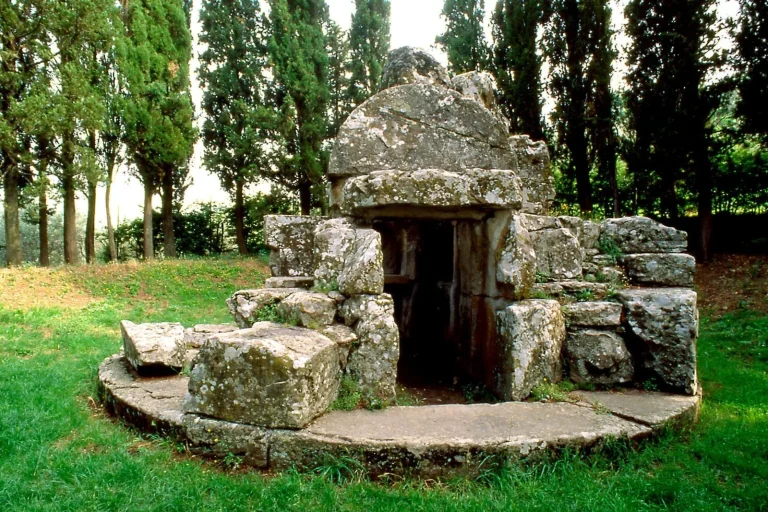
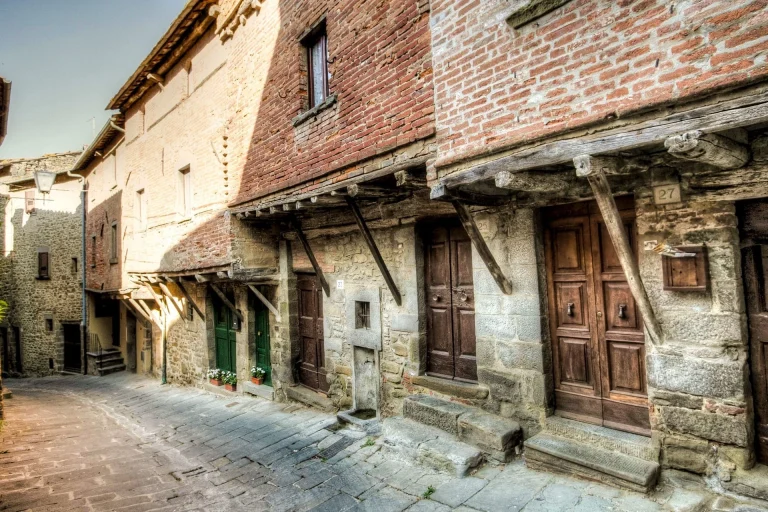
The Etruscan walls that encircle the upper part of Cortona were built 2,700 years ago. They are still standing. You can walk along them in the early morning, before the town wakes up, and put your hands on stone that was placed there before Rome existed. No ticket. No queue. No interpretive display explaining what to feel.
Le Celle — the Franciscan hermitage ten minutes from town where Francis of Assisi came to pray before Assisi became famous — still has monks living in it. The cave where he prayed is still there. The stream still runs. The silence still has the specific quality that drew him there eight hundred years ago.
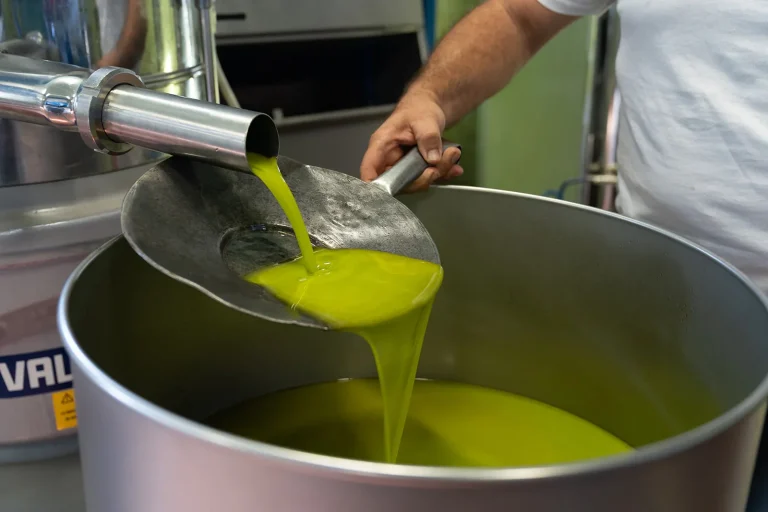
The Saturday market is still what it has been for centuries. The farmers from the Val di Chiana still bring what they have that week. The olive oil is still pressed from trees you can see from where you are standing.
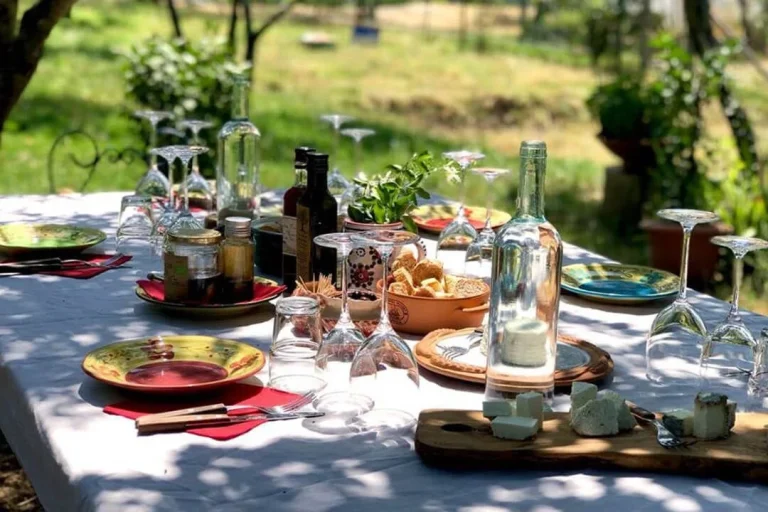
The trattoria where the locals eat still does not have a menu in English. The pici is still made that morning. The wine still comes from the valley below.
The passeggiata still happens every evening at 7pm — the whole town coming outside to walk, slowly, through the shared spaces of the community, for no reason more complicated than that this is what this community does and has done for centuries.
None of this requires your presence to continue. It will all still be here whether you come or not. But it will not be available to you until you do.
What Is Not Waiting
Two things are not waiting, and it is worth being honest about them.
The first is time. The specific Tuscany you are dreaming about — the unhurried version, the authentic version, the version that Frances Mayes wrote about and that still, despite everything, exists here — is under slow pressure from the forces that eventually commodify every beautiful place. Cortona is more visited now than it was ten years ago. It will be more visited in ten years than it is now. The upper neighborhoods are still quiet. The local restaurants are still local. Le Celle is still unknown to most visitors. But the window in which these things are true is not indefinitely open.
The second thing that is not waiting is the version of yourself that would most benefit from coming. This is more personal and I say it with care: the specific need for rest, for beauty, for a week of moving at a different pace and eating properly and remembering what it feels like to be alive rather than merely functional — this need does not diminish if you ignore it. It accumulates. The trip you keep postponing becomes, over time, not a luxury but a necessity. And necessities, postponed, tend to arrive on their own schedule rather than yours.
What the People Who Come Always Say
I have been watching people arrive in Cortona and leave since 2023. The ones who stay for a day say it was beautiful. The ones who stay for three days say something more specific — they name a particular wall or a particular light or a particular lunch that they will remember.
The ones who stay for a week come back the following year.
Without exception, the people who actually come say some version of the same thing: that it was what they had imagined, that it was better than they had imagined, and that they should have come sooner.
Not one person has told me they wished they had waited longer.
When Are You Coming? A Practical Note
The best time to visit Cortona and southern Tuscany is spring or autumn — April through June, September through November. The light is at its most extraordinary. The tourists are fewer. The weather is warm without the heat of July and August. The olive harvest in October and November fills the air with the smell of pressed oil and activates the whole agricultural system of the valley in a way that is worth witnessing.
Summer is beautiful but crowded. Winter is quiet and cold and has its own beauty — the bare vineyards, the clear air, the absence of anyone else — but it requires the right disposition.
Whenever you come, bring more time than you think you need. The things worth experiencing in Tuscany are not things you rush. They are things that happen to you when you are slow enough and present enough for them to arrive.
We Will Be Here
The Etruscan walls will be here. Le Celle will be here. The Saturday market will be here. The trattoria will be making pici. The passeggiata will happen at 7pm.
And MyTuscanDays will be here — ready to show you the Cortona that does not appear in guidebooks, to take you to the olive oil producer who pours from an unlabeled bottle and points out the window at the grove, to drive the back road to Montepulciano and stop when something demands stopping, to build the kind of day that you will describe for years afterward to people who want to know why you keep going back to the same small town in southern Tuscany.
The question is only the timing.
📍 Cortona, Tuscany, Italy 👉 Explore Experiences 👉 Reserve Your Day 📩 [email protected] 📞 +39 333 4638251 💬 WhatsApp