The Olive Oil That Will Ruin All Other Olive Oil Forever
I want to tell you about something that will ruin you, in the best possible way.
There is a version of olive oil — a specific, particular version that exists only in a narrow window of time in a specific part of the world — that makes every other olive oil you have tasted taste like a different and inferior substance. Not a slightly better version of the same thing. A categorically different product that happens to share a name with what is sold in bottles on supermarket shelves.
Finding this oil is not complicated. But finding it requires being in the right place at the right time with the right knowledge of where to go.
Here is what I know.
What Makes Fresh Tuscan Olive Oil Different (and Why It Will Ruin All Other Olive Oil Forever)
The olive oil on most supermarket shelves — including the expensive Italian olive oil in the bottles with the Tuscan farmhouse on the label — is not what I am describing.
By the time that oil reaches a shop, it has been pressed, filtered, stored, blended with oils from other harvests and other regions, bottled, shipped, distributed, shelved, and — if you are unlucky — sitting in a warm, light-exposed location for an extended period. At each step in this process, the compounds that make fresh olive oil extraordinary degrade. The green fades to yellow. The grassy, peppery, alive quality of new oil softens to something flatter and less interesting. The polyphenols — the bitter, slightly burning compounds responsible for most of olive oil’s health properties — diminish.
What remains is a product that is fine. Useful for cooking. Pleasant enough on a salad. Not transformative.
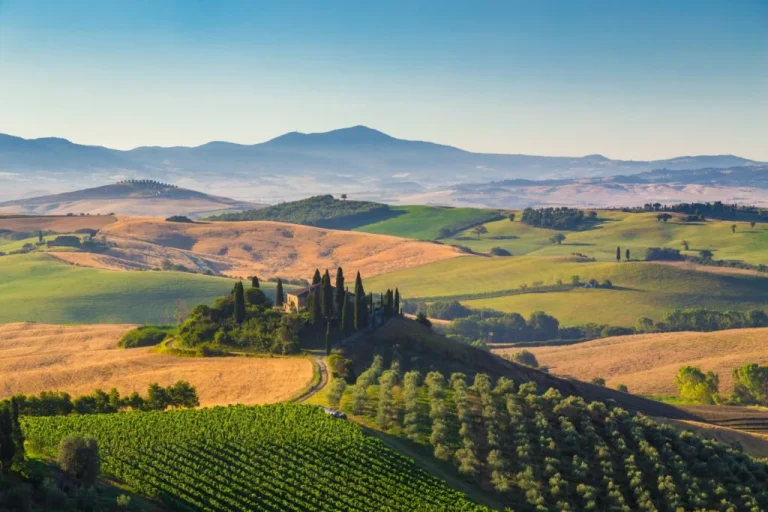
The oil I am describing is pressed from olives harvested a few weeks ago from trees growing in the Val di Chiana or the Chianti hills. It has been in the bottle — if it is even in a bottle rather than a large container at the producer’s cantina — for less than a month. It has traveled perhaps thirty kilometers from grove to glass. It has not been blended, not been treated, not been optimized for shelf life.
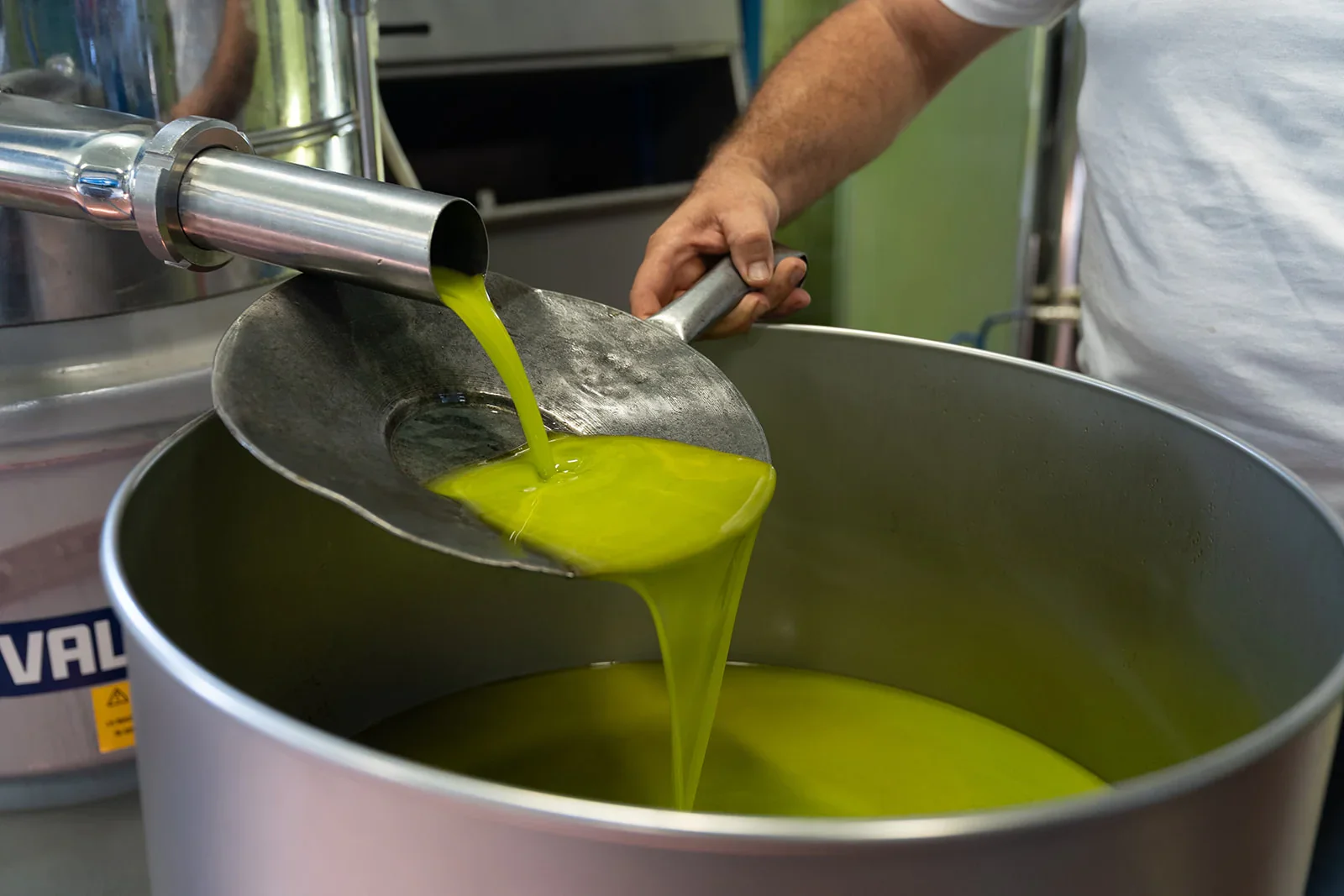
It is green. Genuinely, visibly green — not the pale gold of aged oil but a deep, living green that tells you immediately that this is something different. It smells grassy before you have tasted it. It smells like the inside of an olive grove in November, which is an extremely good smell.
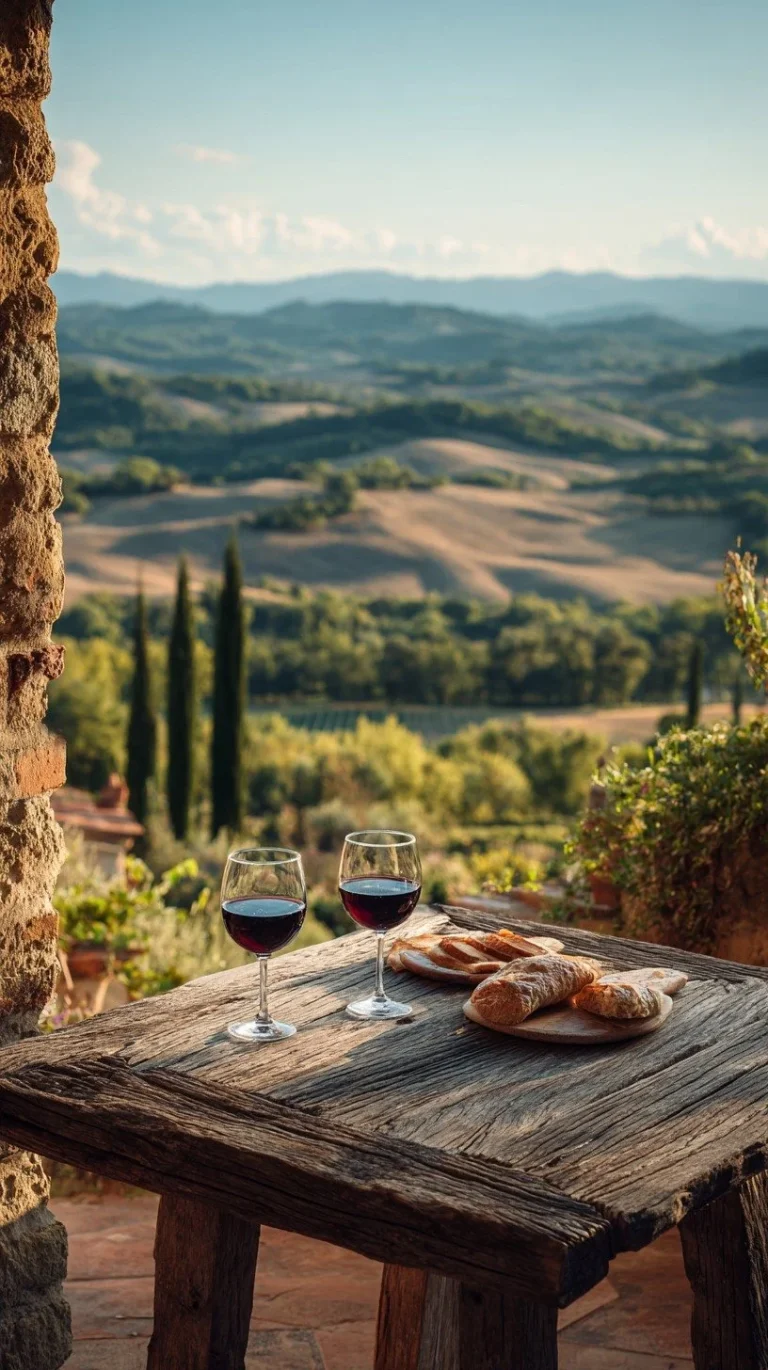
When you put it on bread — unsalted Tuscan bread, which exists specifically to carry the flavors of what is placed on it — and take a bite, there is a catch at the back of your throat. A slight burn, immediately present, clean and direct. That burn is the polyphenols. That burn is freshness and quality and the specific character of this particular olive variety in this particular soil expressing itself as directly as it will ever express itself.
That burn will ruin you. Not immediately — you will enjoy it in the moment and move on with your day. But six months later, back home, standing in front of the olive oil section of a supermarket, you will pour some onto a piece of bread and taste it and know, with certainty, that this is not the same thing you tasted in Tuscany.
And you will be right. It is not.
When the Oil Is Available
Olive oil in Tuscany is pressed in November — occasionally late October for early-harvest varieties, occasionally into December for producers who prefer a riper olive profile and a milder flavor.
The window of extraordinary freshness is approximately December through February — the three months immediately following the harvest when the oil is at its most intensely flavored, most powerfully aromatic, and most potently beneficial in terms of polyphenol content.
If you are visiting Tuscany during this window, you have access to the oil at its best. If you visit at other times of year, the previous harvest’s oil is still available and still significantly better than what you will find in a shop at home — as long as it has been stored properly, in sealed containers away from heat and light.
The harvest season itself — October and November — is the best time to visit if your specific interest is olive oil. During harvest, some producers allow visitors to watch or participate in the picking and pressing. The pressed oil, available immediately after pressing, is extraordinary in the way that all things are extraordinary when they are at their most immediate and unmediated.
Where to Find It
The oil worth finding is not in tourist shops, not in airport olive oil boutiques, not in the beautifully packaged bottles sold at wine estates for €40. All of these are versions of the oil that have been prepared for consumption by people who will not use them in context.
The oil worth finding is at the producer. Specifically: the small producer — the farmer with ten or twenty or fifty olive trees on a hillside, who presses his oil at the local frantoio in November, bottles it minimally, and sells it directly from his cantina to people who come and ask for it.
This oil does not have an online shop. It does not have a distributor. It has a price that reflects its actual cost of production rather than the cost of its packaging and its story. It comes in unlabeled bottles or generic containers, and it is poured by someone who can point out the window at the trees it came from.
Getting to this oil requires either local knowledge or someone who has that knowledge.
MyTuscanDays.com SELECT — The Oil We Give
At MyTuscanDays, we give every guest a bottle of olive oil as a welcome gift. Not a generic gift — a specific oil that we have sourced from a producer we know, from a harvest we have tasted, at a quality we are prepared to put our name on.
The MyTuscanDays.com SELECT olive oil comes from the Val d’Elsa — a Tuscan valley whose oil has a character specific to its soil and its olive varieties. It is chosen fresh each season, which means the oil you receive in October is different from the oil you receive in April — not worse, different, reflecting the specific qualities of the harvest it comes from.
This is what MyTuscanDays.com SELECT means: a product chosen by someone who lives here, sourced from someone they know, at a quality they have personally verified.
If you want to know where the oil you are tasting comes from, we will tell you. If you want more of it to take home, we can help with that too.
Experience Olive Oil in Tuscany with MyTuscanDays
A proper olive oil tasting experience — visiting a producer, understanding the difference between varieties and harvests, learning to taste oil the way the people who make it taste it — is one of the experiences we offer at MyTuscanDays.
Not as a tourist activity. As an education in one of the most extraordinary food products in the world, delivered by people who live inside the culture that produces it.
📍 Cortona, Tuscany, Italy 👉 Explore Experiences 👉 Reserve Your Day 📩 [email protected]