Where Locals Eat in Cortona — The Honest Guide
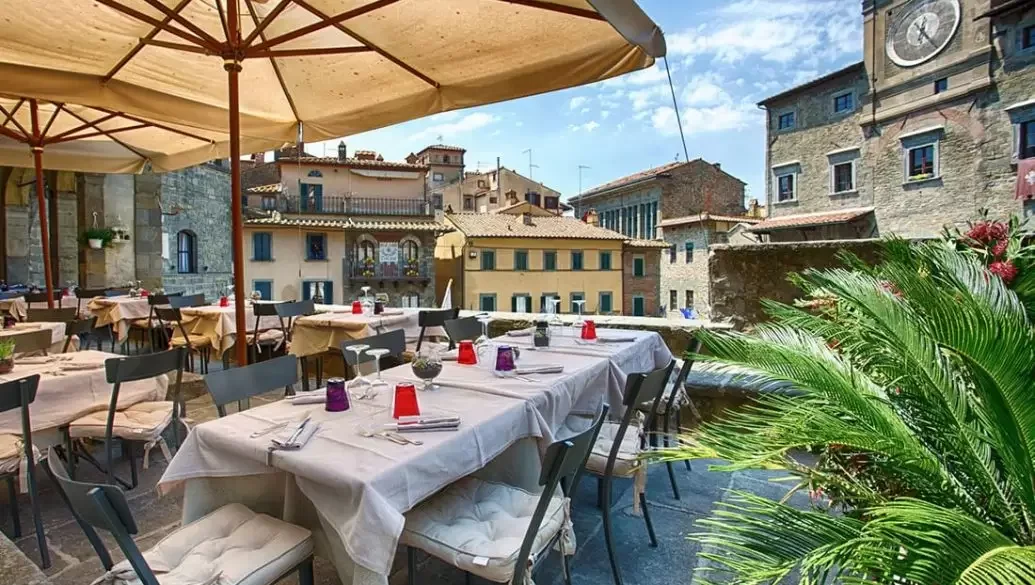
Every town in Italy has two sets of restaurants. The first set is visible from the main street — the ones with menus in multiple languages displayed outside, with photographs of the dishes, with hosts who speak English and seats oriented toward the passing tourist traffic. These restaurants exist because tourists exist and they need to eat somewhere and the economics of high-visibility locations favor this model.
The second set is not visible from the main street. It is visible if you know what to look for — and knowing what to look for is the difference between eating Italian food in Italy and eating Italian food where Italians eat it.
In Cortona, the gap between these two sets of restaurants is significant. The tourist restaurants are adequate — some are quite good. The local restaurants are considerably better, considerably cheaper, and considerably more honest about what Tuscan food actually is.
Here is what to look for and how to find what you are looking for.
The Signs That Tell You Where to Go
The menu is on a board, not a laminated card. A handwritten menu on a chalkboard or a paper board means the kitchen is making what it decided to make today based on what is available, not what was printed six months ago. This is how serious cooking works.
There is no English translation. A menu entirely in Italian means the restaurant is not primarily oriented toward tourists. This is a good sign. Use Google Translate if you need to — the kitchen will not mind.
The daily specials are actually daily. A restaurant where the specials change every day is a restaurant where the cook is paying attention to what is fresh, what is seasonal, what arrived from the market this morning. This is the restaurant you want.
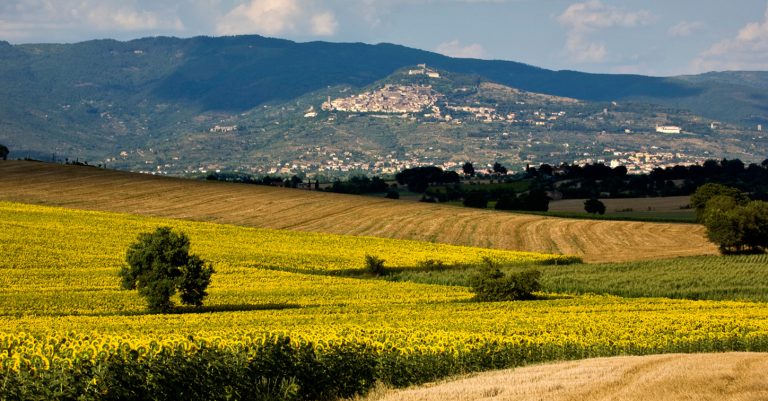
The wine comes in a carafe. A house wine served in a small carafe or a ceramic pitcher is local wine — wine made in the valley visible from the restaurant window, not wine selected from a distributor’s catalogue to match a tourist’s expectations. Order it.
It is full of Italians at 1pm. This is the most reliable indicator of all. If the room is full of Italian people at the height of the lunch hour, the food is good. Italians do not eat bad food out of convenience. They walk further, wait longer, and pay more attention to where they are eating than almost any other nationality.
What You Will Eat
In Cortona and the surrounding southern Tuscany, the food vocabulary is specific and consistent. Here is what you will find and what you should order.
Pici: The signature pasta of southern Tuscany — thick, hand-rolled, slightly rough-textured strands that hold sauce in the way that machine-made pasta cannot. Made fresh every morning in any kitchen that takes it seriously. Order it with wild boar ragù in autumn and winter. Order it with a simple tomato sauce in summer when the local tomatoes are extraordinary. Do not order it with cream — that is not what it is for.
Bistecca alla Fiorentina: A T-bone steak from Chianina cattle — the ancient white cattle breed native to the Val di Chiana below Cortona. Grilled rare over charcoal. Served with olive oil and salt. If the cattle are local — and in a good restaurant in this part of Tuscany they are — the meat has a flavor that cannot be replicated anywhere else because it comes from animals that grazed in the specific soil of this specific valley.
Ribollita: A thick, densely flavored soup of cavolo nero, cannellini beans, and day-old bread — a peasant dish of extraordinary depth that is one of the great achievements of Tuscan cuisine. Not glamorous. Genuinely excellent.
Pecorino: Sheep’s cheese from the surrounding area in various stages of aging. Young pecorino is mild and slightly sweet. Aged pecorino is sharp and complex. Both are correct depending on when in the meal you eat them and what you eat them with.
Bruschetta: In the local version — not the tourist version with too many toppings — this is simply toasted bread rubbed with garlic and drizzled with the new olive oil. The quality of the olive oil is the entire point and the quality in this part of Tuscany is extraordinary.
A Note on Price
Local restaurants in Cortona are significantly cheaper than tourist restaurants. A full lunch — primo, secondo, side dish, wine, water, bread, coffee — at a proper local trattoria costs between €18 and €28 per person. The same lunch at a tourist restaurant on the main piazza costs between €35 and €55.
The local version is better. The price difference is not a quality premium paid to the tourist restaurant — it is a location tax and a convenience tax paid for the privilege of eating somewhere visible and accessible. The food itself is frequently worse.
What We Don’t Name Here
There is a specific category of genuinely local restaurant that suffers when it appears in travel guides. The appearance drives traffic. The traffic changes the clientele. The clientele changes the kitchen’s incentives. Within two or three seasons, the restaurant that was genuinely local has become a restaurant that caters to people looking for genuinely local restaurants — which is a different and inferior thing.
For this reason, I do not name specific restaurants in this guide. The places worth finding are worth finding through local recommendation rather than through an article that will send fifty people through the door next week.
Ask at your accommodation. Ask at the bar where you drink your espresso. Ask MyTuscanDays — we will tell you which places are worth the walk and which have changed since someone last visited.
This is what local knowledge is for.
Eat Where We Eat with MyTuscanDays
Every MyTuscanDays day experience includes lunch at a place we actually go to — not a restaurant chosen for its English menu or its position on a tourist route, but a place where the kitchen is making what it wants to make today and the wine comes in a carafe and the service takes as long as the service takes.
This is not a selling point. It is simply how we believe lunch should work.
📍 Cortona, Tuscany, Italy 👉 Explore Experiences 👉 Reserve Your Day 📩 [email protected]
Where Locals Eat in Cortona: The Short Version
If you remember one thing, remember this: the second set of restaurants is never the one facing the main street. Where locals eat in Cortona is usually one turn off it — a handwritten menu, a short wine list, and no photographs of the food anywhere in sight.