Making Something with Your Hands in Tuscany
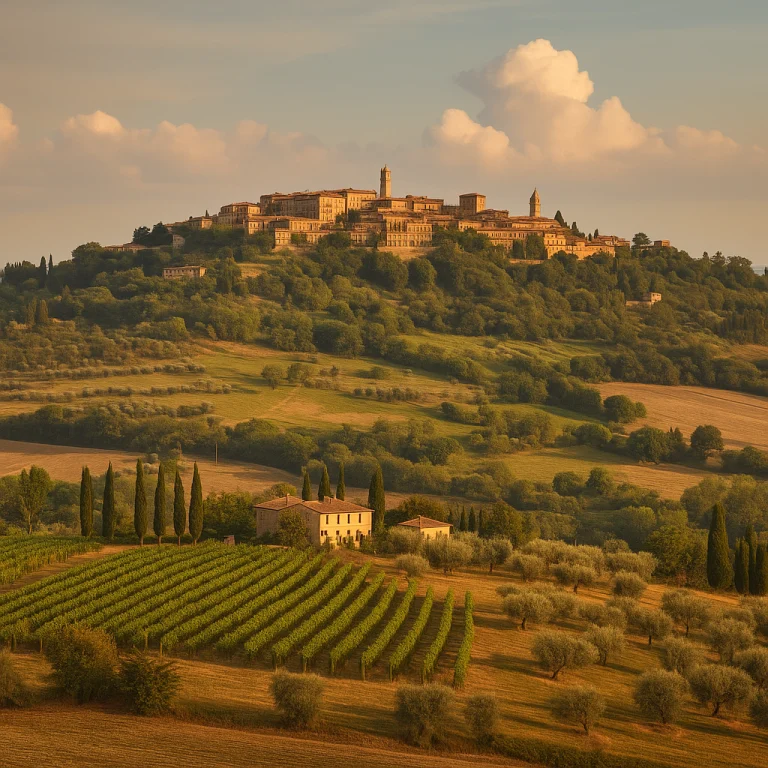
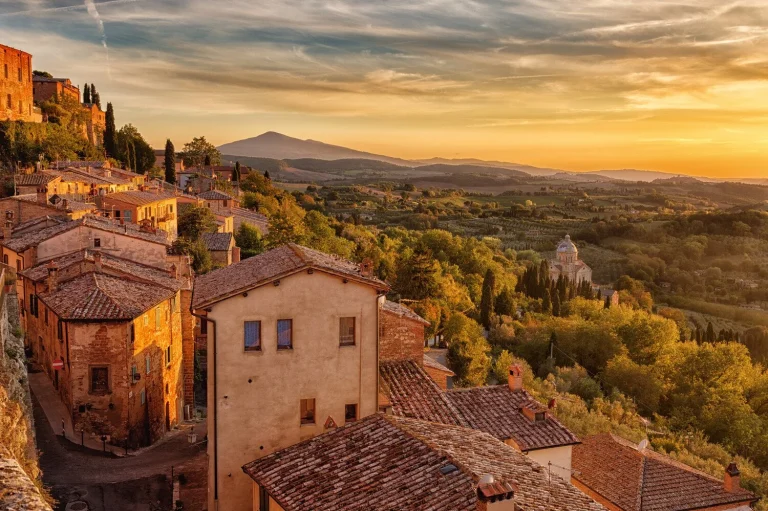
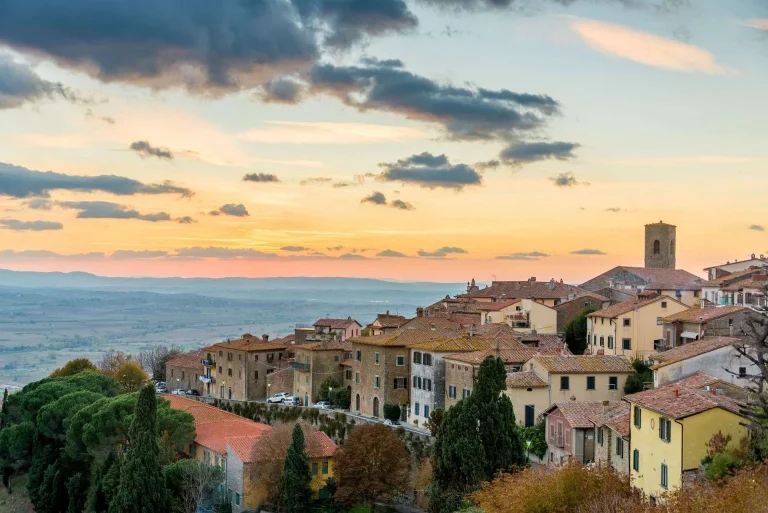
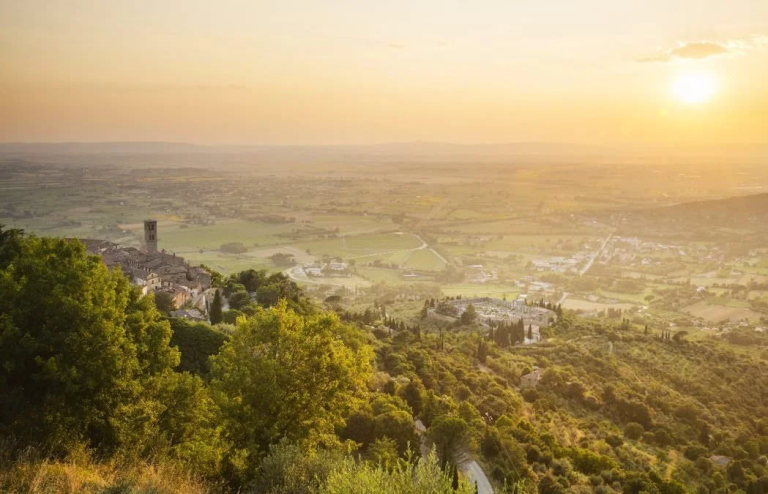
Something has gone wrong with the way most people experience Tuscany.
It is not the beauty — the beauty is real, and the region delivers on every expectation in that regard. It is not the food or the wine or the accommodation or the quality of the light in the late afternoon. All of these are as good as advertised.
What has gone wrong is the passivity.
Most Tuscany travel is observation. You look at beautiful things. You photograph beautiful things. You eat and drink beautiful things produced by other people. You move through a landscape of extraordinary human achievement without participating in the making of any of it. You are an audience for a culture rather than a participant in it.
There is nothing wrong with this. It is the structure of modern tourism and it produces genuine pleasure. But it leaves something out — something that your hands and your body know is missing even if your mind does not immediately identify what it is.
An afternoon in the olive wood workshop in Cortona puts it back.
Making Something with Your Hands — What Actually Happens
The experience of making an object with your hands is qualitatively different from any passive experience — not better or worse in a competitive sense, but different in kind.
When you are making something, your attention is fully occupied in a specific way. Not the scattered, multidirectional attention of someone moving through a landscape collecting impressions. Focused attention — on the material in front of you, on the tool in your hand, on the specific challenge of the moment. The phone becomes irrelevant. The schedule becomes irrelevant. The conversation, if there is one, becomes honest in a way that conversations-while-doing-something-else always are.
Time moves differently. Not faster or slower but more densely. Twenty minutes of working with olive wood under the guidance of someone who knows what they are doing contains more of a specific kind of experience than three hours of the most beautiful passive tourism.
And at the end of it, there is an object. Something that did not exist before you arrived and that exists now because of what your hands did. This object will go home with you. It will sit in your kitchen or on your shelf. And every time you look at it or use it, it will not be a souvenir of a place — it will be evidence of an afternoon.
Why Olive Wood Specifically
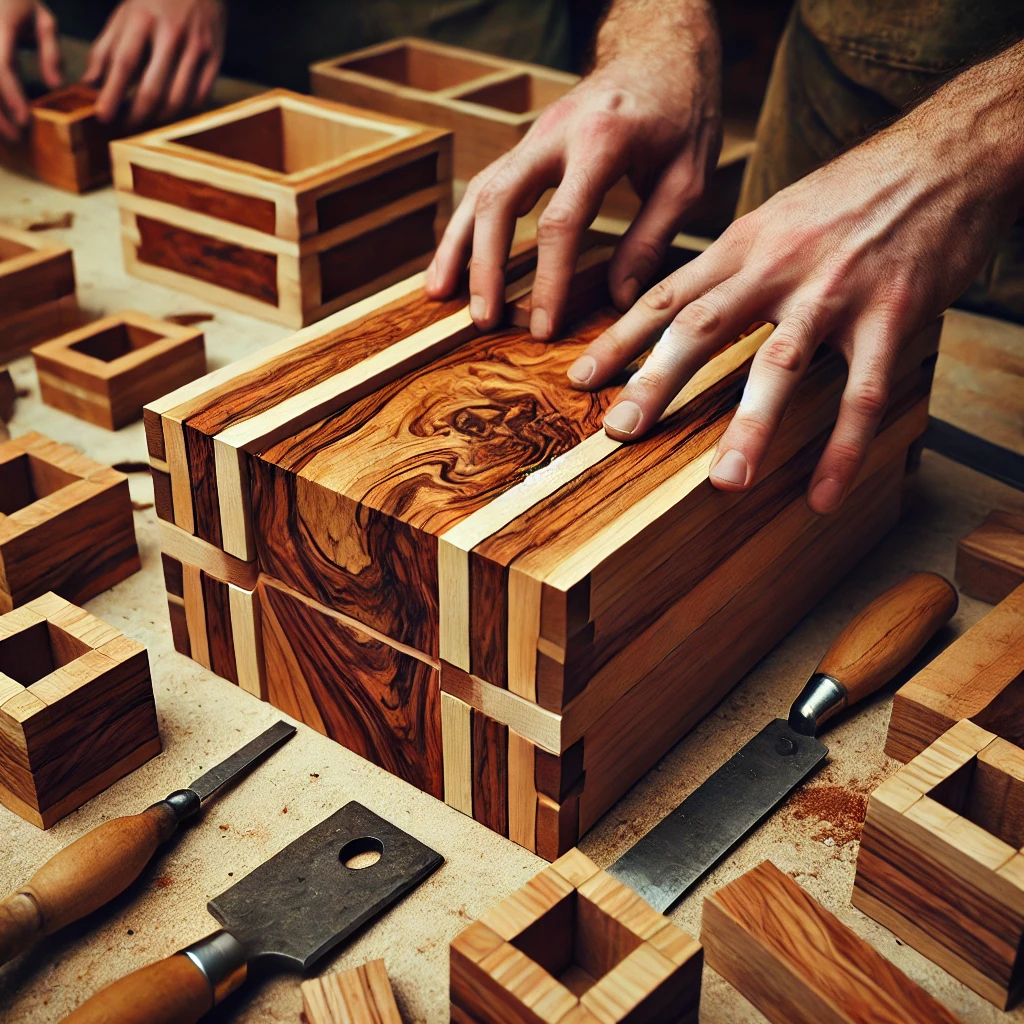
The choice of material matters. Olive wood is not chosen for the workshop because it is easy or because it is cheap. It is chosen because it is the material of this landscape — grown in the Val di Chiana and the Chianti hills that surround Cortona, part of an agricultural tradition that has been continuous here for millennia, worked by craftsmen in this region going back to the Etruscans.
Working with olive wood connects you to something specific. Not to craft in the abstract but to this craft, in this place, with material from this soil.
The wood itself has opinions. It is dense and hard — significantly harder than most woods used in casual woodworking projects — and it does not yield to tools quickly or easily. This resistance is instructive. You cannot rush olive wood. You cannot force it. You work with it at the pace it sets, which is a different pace from the one most people bring to Tuscany.
The smell of olive wood being worked is unlike any other smell. Warm and slightly sweet and ancient — a smell that humans have been producing in this landscape for thousands of years. You will remember it long after you have forgotten the view from any viewpoint.
What the Workshop Session Looks Like
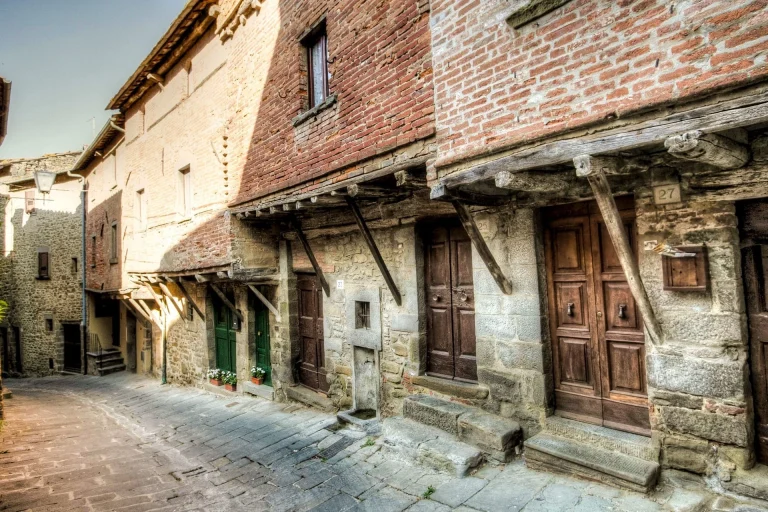
You arrive at the workshop at Via Guelfa in the center of Cortona — a stone-walled space that smells of the work done in it and looks like what it is: a place where things are made.
You are shown the tools. Not demonstrated at — shown, with explanation, with the expectation that you will use them. You handle the olive wood that will become your piece. You understand, through touch, what it is and what it asks of you.
Then you begin.
The first twenty minutes are the hardest. Your hands are learning something new. The tools feel unfamiliar. The wood offers resistance that surprises you. You make mistakes — edges that are not quite straight, surfaces that need more work than you expected.
Around the twenty-minute mark, something shifts. Your hands begin to understand what they are doing in a way that your conscious attention cannot fully account for. The tool starts to feel like an extension of your intention rather than an obstacle between you and the material. The work becomes absorbing in the specific way that good work always becomes absorbing — from the inside rather than from the outside.
By the time you are finishing the piece — sanding the surfaces smooth, applying the oil that brings out the grain and the color — you will have been present in a way that is genuinely uncommon. Not mindfully present in the self-conscious way of someone practicing mindfulness. Simply present, because the work required it.
What You Make
Half-day sessions produce a completed piece — a serving board, a small bowl, a kitchen utensil, a decorative object. The specific piece depends on your session length, your interests, and what the wood suggests.
The piece will be imperfect in the ways that handmade things are always imperfect. The slightly uneven edge. The surface that took more work than expected. The finish that required three passes rather than two.
These imperfections are yours. They are the record of your hands learning something — the physical evidence of an afternoon that will not be repeated in exactly this form.
Full-day sessions allow for more ambitious pieces and a deeper experience of the craft — more technique, more time with the material, a finished object of greater complexity.
Book Your Workshop Session
Workshop sessions are available year-round, subject to availability. They fill during peak travel seasons — spring and autumn in particular.
👉 Book a workshop session 👉 Explore MyTuscanDays experiences 📩 [email protected] 📞 +39 333 4638251 💬 WhatsApp
📍 Via Guelfa 24-26, Cortona (AR), Tuscany, Italy