The Passeggiata: Why Italians Live Longer
Italy consistently ranks among the countries with the longest life expectancy in the world. Researchers have spent decades trying to explain this. They point to the Mediterranean diet. To the climate. To the healthcare system. To the culture of family and social connection.
All of these matter. But there is one daily practice that rarely makes it into the longevity research — despite being one of the most visible and consistent features of Italian daily life.
It is called the passeggiata. And if you have ever spent an evening in an Italian town and wondered what was happening at 7 pm when everyone seemed to come outside at once — that was it.
What Is the Passeggiata?
The passeggiata is the Italian evening walk. It happens every day, in every town, in every region of Italy — though it is most pronounced in smaller communities where everyone knows everyone and the shared spaces of the town are genuinely shared.
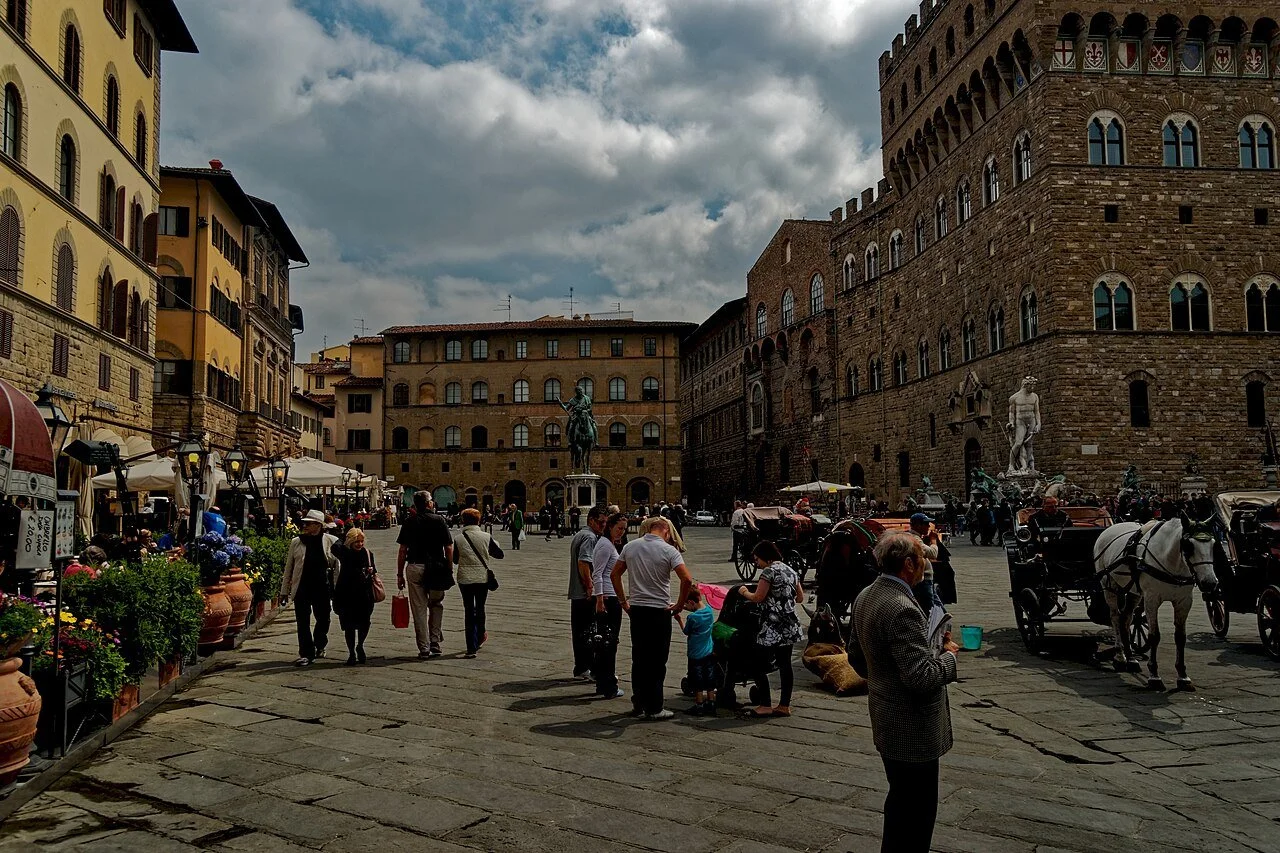
At approximately 6:30 or 7 pm, people come outside. They walk — slowly, without destination — through the main street, the central piazza, the familiar routes that every resident knows by heart. They stop to talk. They continue. They stop again. They buy a gelato or stop for an aperitivo. Eventually, they go home for dinner.
The whole thing takes between thirty minutes and two hours, depending on who you encounter and what needs to be discussed.
There is no formal organization. No one announces it. No one coordinates it. It simply happens, every evening, because it has always happened — because it is the way Italian communities have been maintaining themselves for centuries.
The Social Architecture of the Passeggiata
To understand why the passeggiata matters for health and longevity, you need to understand what it actually does — functionally, sociologically, physiologically.
It creates daily physical contact with the community. In a world where it is increasingly possible to go days without meaningful face-to-face interaction with other humans, the passeggiata makes this contact structurally unavoidable. You live in this town. You walk through this piazza. You will encounter your neighbors, your friends, and the acquaintances you have been meaning to check on. This is not scheduled. It does not require effort or planning. It simply happens.
It provides a daily transition ritual. The passeggiata marks the end of the working day and the beginning of the evening in a way that is physically and socially distinct. You leave your house, you enter the shared space of the community, you decompress in public rather than in isolation. By the time you return home for dinner, the day has been genuinely closed.
It creates weak-tie social connections. Social science research consistently shows that weak-tie relationships — the acquaintances, the familiar faces, the people you recognize and exchange greetings with but do not know deeply — are as important for wellbeing and longevity as close relationships. The passeggiata maintains these connections automatically, daily, without anyone having to consciously invest in them.
It is a gentle daily movement. Not exercise in the modern sense — no elevated heart rate, no fitness metrics, no performance. Just walking, slowly, for thirty minutes to an hour, every single day. The cumulative effect of this gentle, consistent, lifelong movement on cardiovascular health, joint health, and metabolic function is significant and well-documented.
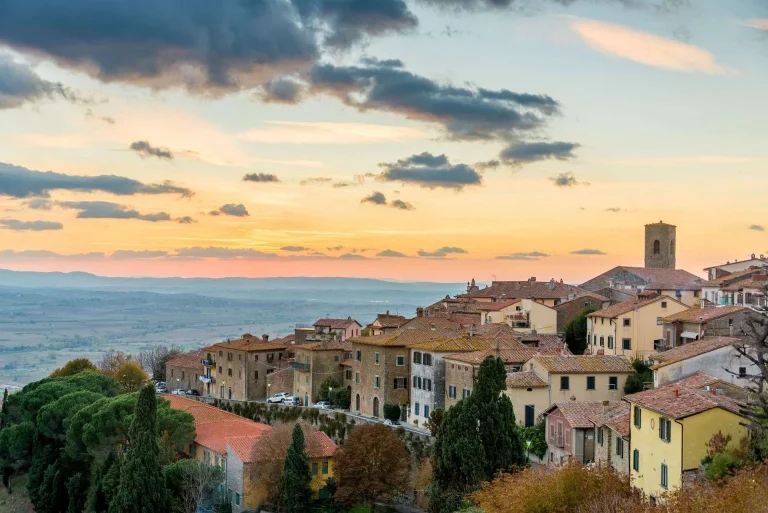
The Passeggiata in Cortona
In Cortona, the passeggiata centers on Piazza della Repubblica and the streets radiating from it — Via Nazionale running east toward Piazza Garibaldi, and the streets descending toward the lower town.
The rhythm is consistent regardless of season. In summer, it spills onto the terraces and the steps of the main buildings. In winter, it contracts slightly but never disappears entirely — Cortona is a town that uses its public spaces year-round in a way that most northern European or American towns simply do not.
Watching the passeggiata in Cortona for the first time, most visitors feel something specific: the recognition of a social texture that is largely absent from daily life in more individualistic, more dispersed, more screen-mediated societies.
What they are recognizing is community — not as an abstract value but as a daily, physical, visible practice. People who know each other, in a space they share, doing something that has no purpose other than being together.
What the Research Says
The relationship between social connection and longevity is one of the most robust findings in health research.
Chronic loneliness and social isolation have been consistently shown to be as damaging to health as smoking fifteen cigarettes a day. Conversely, strong social connection — including the weak-tie variety that the passeggiata produces — is one of the strongest predictors of healthy aging and long life.
The Blue Zones research — the studies of communities around the world with unusually high rates of healthy longevity — consistently identifies strong social integration as a defining feature. Sardinia, the only European Blue Zone, is a culture built around exactly the kind of daily community ritual that the passeggiata exemplifies.
Italy does not have a wellness industry built around social connection. It has the passeggiata. The outcome is visible in the demographics.
How to Experience the Passeggiata as a Visitor
The passeggiata is not a tourist attraction. It does not perform for visitors. But it also does not exclude them — Italian hospitality is genuine, and a stranger who participates respectfully in the evening walk will find themselves welcomed into the rhythm of it without any formal effort required.
What to do: Come to Piazza della Repubblica in Cortona at approximately 7 pm. Walk slowly. Stop when you feel like stopping. Buy something from a bar if you want something to do with your hands. Do not use your phone. Do not rush.
Within about twenty minutes, you will feel the rhythm of it. The pace will slow you down. The texture of the community around you will become gradually legible — you will begin to sense who knows who, which groups have been friends for decades, which children belong to which families.
This is available to you every evening you are in Cortona. It costs nothing. It requires nothing. It is one of the most authentic experiences the town offers.
The Passeggiata and the MyTuscanDays Philosophy
At MyTuscanDays, the passeggiata is not something we organize or sell. It is something we make sure you know about — because understanding it changes how you experience Cortona.
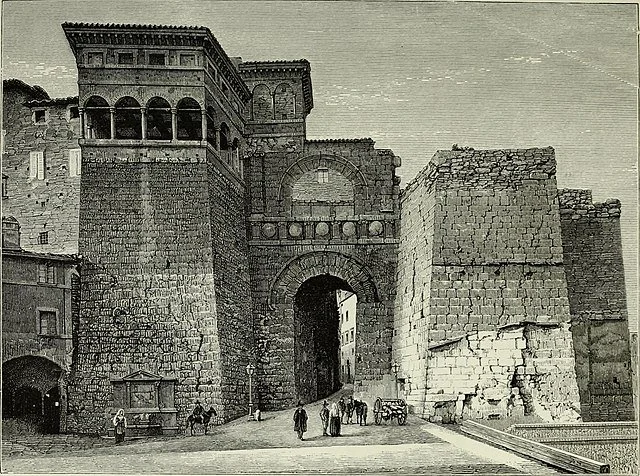
A day in Cortona that ends with the passeggiata is a complete day. Not because of what you did — the museums, the Etruscan walls, the workshop, the wine tasting — but because of how it ended: in the shared space of a living community, at the pace that human beings were designed to move, with the kind of low-intensity social contact that keeps people healthy and alive for longer than almost any other intervention available.
This is what we mean when we say we offer Tuscany for travelers, not tourists. The passeggiata is not on any itinerary. It is simply what happens at 7pm. Come and be part of it.
📍 Cortona, Tuscany, Italy 👉 Explore Experiences 👉 Reserve Your Day 📩 [email protected]